
Everything You Need to Know About Tapeworm Infections
Tapeworm infections are parasitic infections that occur when a person becomes infected with tapeworms, a type of flatworm that lives inside the digestive system. Although many cases are mild and may cause few noticeable symptoms, some infections can lead to digestive problems, nutritional deficiencies, and other health complications if left untreated.
Tapeworm infections can affect people around the world, especially in areas where food safety standards, sanitation, or access to clean water may be limited. However, infections can also occur in developed countries due to consuming undercooked meat, contaminated food, or poor hygiene practices.
Understanding the causes, symptoms, diagnosis, treatment options, and prevention methods is essential for protecting yourself and maintaining good health.
What Are Tapeworm Infections?
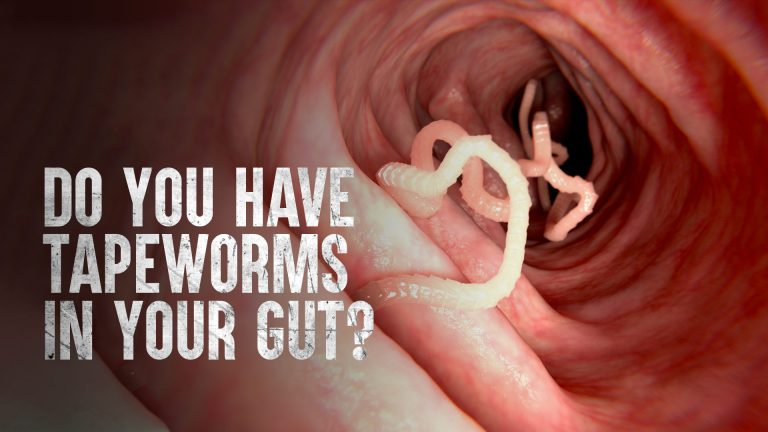
A tapeworm infection occurs when a person accidentally ingests tapeworm eggs or larvae. Tapeworms are parasites that attach themselves to the intestinal wall and absorb nutrients from the host’s digestive system. niclosamide tablets
Adult tapeworms can grow to several meters long depending on the species. Despite their size, many infections remain unnoticed because symptoms may be mild or completely absent.
Several types of tapeworms can infect humans, including:
- Beef tapeworm
- Pork tapeworm
- Fish tapeworm
- Dwarf tapeworm
Each type has different transmission methods and potential health effects.
Types of Tapeworms That Affect Humans
Beef Tapeworm
The beef tapeworm is usually acquired by eating raw or undercooked beef containing tapeworm larvae.
Symptoms are often mild, but people may notice digestive discomfort or segments of the worm in their stool.
Pork Tapeworm
Pork tapeworm infections occur after consuming undercooked pork containing parasite larvae.
This type can be more serious because swallowing the eggs can lead to cysts developing in different parts of the body, including the brain.
Fish Tapeworm
Fish tapeworm infections are linked to eating raw or undercooked freshwater fish.
They may cause vitamin B12 deficiency in some individuals.
Dwarf Tapeworm
This smaller tapeworm is commonly transmitted through contaminated food, water, or poor hygiene practices.
It is more common among children.
How Do People Get Tapeworm Infections?
Tapeworm infections occur when people accidentally consume parasite eggs or larvae.
Common causes include:
Eating Undercooked Meat
One of the most common ways people become infected is by eating meat that has not been cooked properly.
Risk foods include:
- Undercooked beef
- Raw or undercooked pork
- Raw freshwater fish
Proper cooking kills tapeworm larvae and prevents infection.
Contaminated Food or Water
Tapeworm eggs can contaminate food or water sources.
Eating unwashed fruits and vegetables or drinking unsafe water can increase infection risk.
Poor Hygiene
Not washing hands after using the bathroom or before preparing food allows parasite eggs to spread.
Contact With Infected Animals
Some tapeworm species can be transmitted through animals, especially in environments where hygiene is poor.
Symptoms of Tapeworm Infections
Many people with tapeworm infections do not experience symptoms.
When symptoms occur, they may include:
- Abdominal pain
- Nausea
- Diarrhea
- Loss of appetite
- Increased hunger
- Weight loss
- Fatigue
- Weakness
- Bloating
- Digestive discomfort
Some people may notice small, white segments of the tapeworm in their stool or underwear.
Symptoms of Severe Infections
Certain tapeworm infections can cause more serious complications.
Possible symptoms include:
- Severe abdominal pain
- Fever
- Neurological symptoms
- Seizures
- Confusion
- Vision problems
These symptoms require immediate medical evaluation.
Complications of Tapeworm Infections
Although many infections are easily treated, untreated cases may lead to complications.
Nutritional Deficiencies
Some tapeworms consume nutrients from the digestive tract, potentially causing deficiencies.
Fish tapeworm infections may interfere with vitamin B12 absorption.
Intestinal Blockage
Large tapeworms can rarely block the intestine, causing severe discomfort and digestive problems.
Cyst Formation
Pork tapeworm eggs can travel throughout the body and form cysts in tissues.
When cysts develop in the brain, the condition is called neurocysticercosis and may cause serious neurological symptoms.
How Tapeworm Infections Are Diagnosed
Doctors use several methods to diagnose tapeworm infections.
Stool Examination
A stool sample may be analyzed to detect:
- Tapeworm eggs
- Worm segments
- Parasite evidence
Multiple samples may sometimes be required.
Blood Tests
Blood tests can help detect certain immune responses associated with infection.
Imaging Tests
If complications are suspected, doctors may use imaging tests such as:
- MRI scans
- CT scans
- Ultrasound
These tests help identify cysts or other problems caused by parasites.
Treatment Options for Tapeworm Infections
Most tapeworm infections can be treated effectively with prescription medications.
Antiparasitic Medications
Common treatments include medications designed to kill parasites.
These medicines work by:
- Destroying the tapeworm
- Preventing further growth
- Allowing the body to remove the infection naturally
Treatment choice depends on:
- Type of tapeworm
- Location of infection
- Severity of symptoms
- Patient health
Follow-Up Testing
After treatment, doctors may recommend follow-up stool testing to confirm that the infection has been eliminated.
Preventing Tapeworm Infections
Prevention is the best way to avoid parasitic infections.
Cook Meat Thoroughly
Always cook meat to safe temperatures.
Important precautions include:
- Avoiding raw meat
- Cooking pork completely
- Preparing fish properly
Wash Hands Regularly
Handwashing is one of the simplest ways to prevent infection.
Wash hands:
- Before eating
- After using the bathroom
- Before preparing food
- After handling animals
Wash Fruits and Vegetables
Rinse fresh produce thoroughly before eating.
This removes possible contamination from parasite eggs.
Drink Safe Water
Avoid drinking untreated water from unknown sources.
When traveling, use safe bottled water if necessary.
Practice Food Safety
Additional safety steps include:
- Cleaning kitchen surfaces
- Avoiding cross-contamination
- Storing food properly
- Washing cooking utensils
Tapeworm Infections and Pets
Some tapeworms can affect animals, including dogs and cats.
Pets may become infected by swallowing infected fleas or contaminated materials.
Preventive measures include:
- Regular veterinary checkups
- Flea control
- Proper pet hygiene
- Washing hands after handling animals
Who Is at Higher Risk?
Certain groups have an increased risk of tapeworm infections.
These include:
- People who eat raw or undercooked meat
- Travelers visiting areas with poor sanitation
- Individuals with weakened immune systems
- People who work with animals
- Communities with limited access to clean water
Understanding risk factors helps with prevention.
When to See a Doctor
Consult a healthcare professional if you experience:
- Persistent digestive problems
- Unexplained weight loss
- Worm segments in stool
- Severe abdominal pain
- Neurological symptoms
- Symptoms after eating questionable food
Early diagnosis allows faster and easier treatment.
Common Myths About Tapeworm Infections
Myth 1: Tapeworms Only Affect People in Poor Countries
Tapeworm infections can occur anywhere, especially when food safety practices are inadequate.
Myth 2: You Can Always Feel a Tapeworm Inside Your Body
Many infections cause no noticeable sensation or symptoms.
Myth 3: Home Remedies Can Remove Tapeworms
Prescription antiparasitic medications are the most reliable treatment option.
Myth 4: Tapeworm Infections Are Always Dangerous
Most infections are treatable and cause no serious problems when diagnosed early.
Maintaining Digestive Health
Good digestive health supports overall wellness.
Helpful habits include:
- Eating a balanced diet
- Drinking enough water
- Practicing good hygiene
- Following food safety guidelines
- Getting regular medical checkups
These habits reduce the risk of many infections, including parasitic diseases.
Conclusion
Tapeworm infections are common parasitic conditions that can affect anyone exposed to contaminated food, water, or poor hygiene practices. While many cases cause mild symptoms, some infections can lead to serious complications if untreated. Recognizing the symptoms, understanding transmission methods, seeking proper medical diagnosis, and following preventive measures are key to protecting your health. With effective medications and good hygiene practices, tapeworm infections can usually be treated successfully and prevented in the future.